

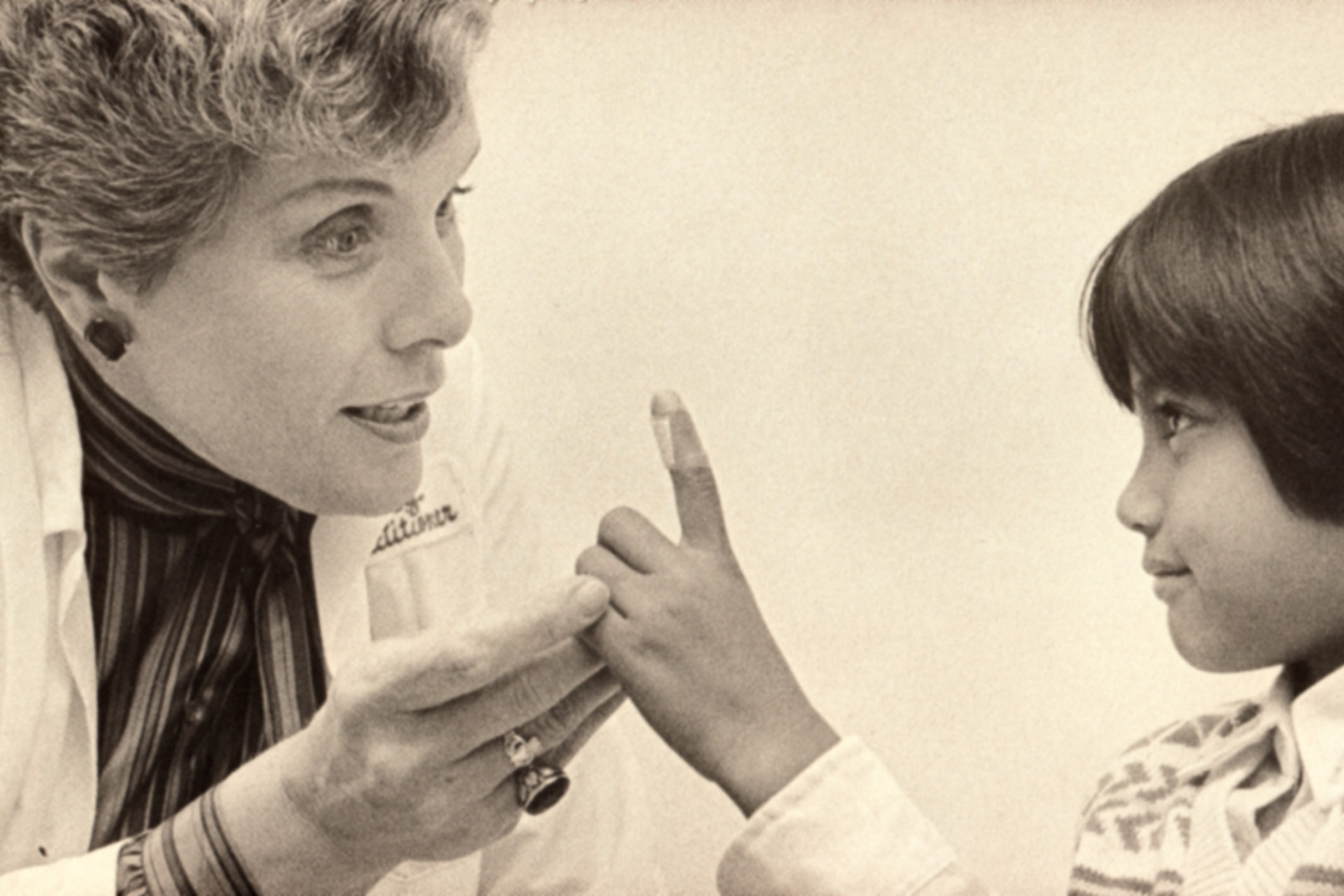
Kaiser Permanente in Northern California has had 2 women in its top leadership positions recently: Maria Ansari, MD, FACC, and Carrie Owen Plietz, FACHE.
Plietz served as the president of the Kaiser Foundation Health Plan and Hospitals Northern California Region for just over four years until February 2025. She is now group senior vice president and chief operating officer, Care Delivery, for the organization’s national integrated care and coverage structure.
Dr. Ansari has been the CEO and executive director of The Permanente Medical Group (TPMG) since June 2023. She’s also the co-CEO of The Permanente Federation, and the first woman to hold these roles.
The 2 follow a long line of women in leadership positions at Kaiser Permanente going back to its founding.
“From the beginning, women pioneers helped shape high‑quality health care at Kaiser Permanente,” said Cuong Le, the organization’s historian. “Historical research allows us to elevate their voices and honor their lasting contributions.”
During Women’s History Month, let’s remember some of these influential women.
The Kaiser Shipyards
Kaiser Permanente’s beginnings are rooted in the Kaiser shipyards, where the health plan became the basis for Kaiser Permanente when it opened to the public in 1945.
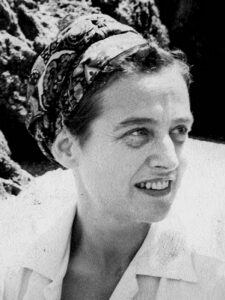
During World War II in Richmond, California, thousands of women, known as Rosies, helped make war vessels, primarily Liberty and Victory ships.
Hannah Peters, MD, joined the shipyard medical team under Sidney R. Garfield, MD. She focused on preventive health and the special needs of women in the shipyards. She added a gynecologist to the shipyard medical team and distributed educational materials.
Dr. Peters said she knew that better-informed women could better protect their health.
Early days
Like Dr. Peters, Beatrice Lei, MD, worked at the Kaiser Richmond shipyards. A pediatrician, Dr. Lei helped transition the health care program into the postwar era.
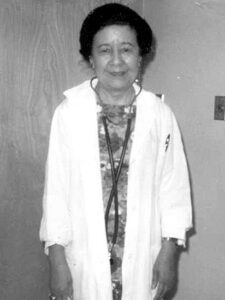
After the war, she recalled that many physicians left the shipyards to start private practices, but she was committed to the prepaid health plan.
Dr. Lei is also notable for becoming the first female and first Asian physician accepted as a partner in The Permanente Medical Group. Dr. Lei served as chief of Pediatrics at the Kaiser Permanente Richmond Field Hospital. She stayed as chief of Pediatrics until retiring in 1975 after 31 years of service.
Notable nurses
During the 1950s and 1960s, nursing pioneers laid the foundation for the future of Kaiser Permanente and the nursing profession.
The Kaiser Foundation School of Nursing opened in 1947, with Dorothea Daniels as the first director of the Kaiser Foundation School of Nursing. The school welcomed students from all backgrounds and races with tuition-free nursing education.
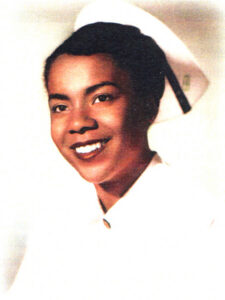
Jessie Cunningham became one of the first 3 Black nurse graduates of that school in 1957. She was a leader and mentor.
Phyllis Moroney, who also graduated in 1957, piloted a program at Kaiser Permanente for high-performing nurses — now called nurse practitioners. She became Kaiser Permanente’s first pediatric nurse practitioner.
Later years
Alva Wheatley might be the most well-known woman in Kaiser Permanente Northern California history for breaking racial and gender barriers in leadership. She began her career at Kaiser Permanente in 1964 and was the daughter of Kaiser shipyard workers.
Wheatley is the first woman of color to be a Kaiser Permanente hospital administrator and the first female vice president of facilities construction. In this role, she oversaw the development of 5 hospitals and 10 medical office buildings.

She also became the first woman of color on the Northern California Kaiser Permanente regional leadership team and the first Black person and first woman to serve as Health Plan national vice president.
Wheatley spearhead Kaiser Permanente’s diversity program in the 1980s and then co-founded the Kaiser Permanente African American Professionals Association in 1990,
“From the earliest days of Kaiser Permanente, women were not simply participants in the story,” Le said. “They were the architects of better health care. Their leadership, innovation, and commitment to equity helped shape Kaiser Permanente’s values today.”