

One of the best things Danny Sam, MD, remembers about his 37 years of teaching and mentoring young physicians at Kaiser Permanente is seeing young people meet their potential.
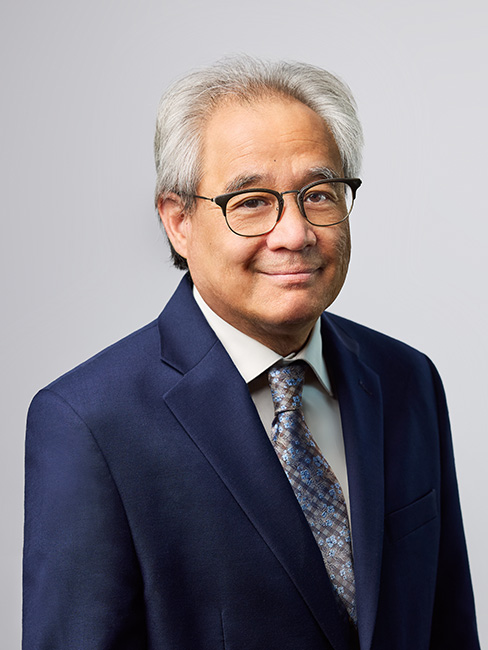
“They are like family,” said Dr. Sam, who joined Kaiser Permanente in 1989 as residency director in Milpitas. He also was residency director at Santa Clara Medical Center from 2004 to 2022 and now serves as the hospital’s director of Medical Education. “I’m just so proud to see them become leaders when they come back and work here. That’s a testament to the training, and many of them go on to make an impact on national and regional levels.”
Kaiser Permanente’s Graduate Medical Education program is celebrating 80 years of training future doctors in Northern California this year. The program got started in 1946 at the Oakland Medical Center and is funded by Kaiser Permanente Community Health.
Today, Kaiser Permanente Northern California trains about 500 newly graduated doctors and fellows in 9 medical centers each year. It also hosts over 1,100 resident physicians from partner medical systems on rotations, and nurtures over 800 medical students on their clinical rotations.
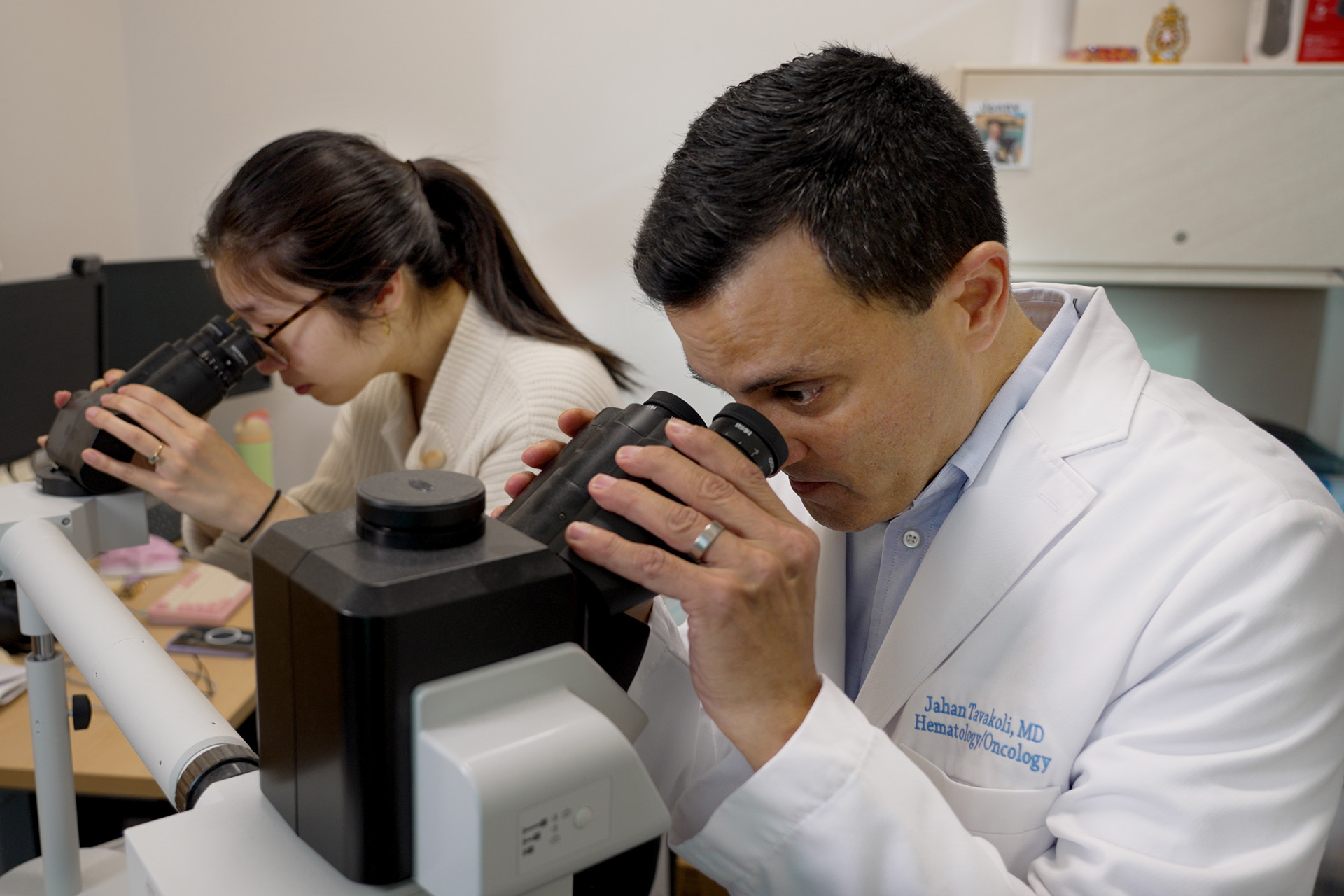
“We plan to grow the number of residents and fellows at least 25% over the next five years with 128 trainees in 17 programs,” said Theresa Azevedo-Rousso, regional senior director of Graduate Medical Education in Northern California.
That growth is imperative as the nation faces a projected shortage of 86,000 doctors nationwide in the next 10 years. A growing medical education program is necessary to feed the demand, said Ted O’Connell, MD, director of medical education for Kaiser Permanente in Northern California.
“With the Graduate Medical Education program, we get to work with those we teach,” said Dr. O’Connell. “Our faculty also derive a lot of satisfaction in teaching, so that helps with retention. The teaching creates a constant learning process for our physicians who stay up to date on the latest advancements and techniques.”
In addition to teaching medical students, residents, and fellows, the program also supports those considering careers in medicine. For example, the program’s affiliation with the yearly Black Men in White Coats Summit inspires and assists students in pursuing a health care career. The summit, happening next month in Livermore, California, is open to young people of all genders and cultural backgrounds.
The Graduate Medical Education Program fosters professional development of its residents in various ways, but it also cultivates them to be compassionate, competent, patient-centered physicians, said Dr. Sam.
“A good program also helps these residents navigate personal and professional challenges while they go through this difficult phase of training,” said Dr. Sam. “We help them along in their lives. That’s how close we get.”