

Advanced cancer patients are showing greater interest in palliative care at earlier stages, thanks to a new pilot program at Kaiser Permanente Roseville that introduces them to this essential service while receiving treatment for chemotherapy or immunotherapy.
Launched in June 2025, the pilot trains and empowers nurses to discuss palliative care directly with eligible cancer patients. The pilot has expanded from Roseville to the Sacramento area. Other service areas have shown interest in adopting this approach.
Many advanced care patients don’t receive palliative care until physicians see advanced cancer patients in the intensive care unit (ICU), said Mukund Ramkumar, MD, the pilot’s physician champion. At this point, they are at the very end of life. Some of these patients had declined earlier palliative support or were never referred, despite American Society of Clinical Oncology recommending early and concurrent palliative care support.
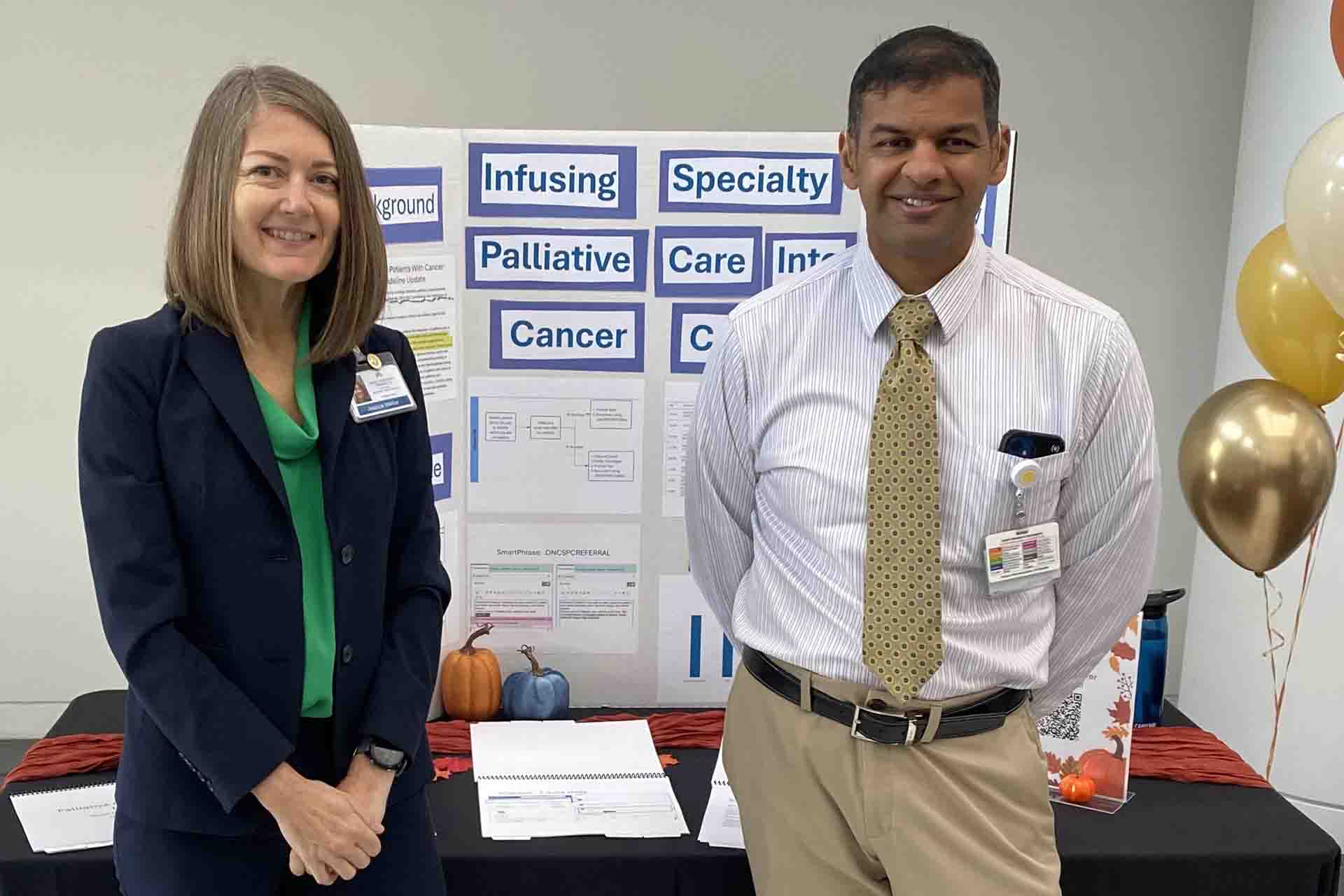
“I frequently see patients in the ICU receiving interventions that were not what they or their families would want when nearing the end of life,” Dr. Ramkumar said. “By the time they reached the ICU, the window for maximal palliative support had closed. This pilot lets us reach patients earlier — when palliative care can truly make a difference.”
Nurses often spend 2 to 6 hours with patients during an infusion, positioning them to introduce the idea of palliative care in a natural, supportive, and non-threatening way, said Andrea Sanchez, RN, nurse champion for the Roseville pilot.
“This is nursing at its highest level — using our training, critical thinking, and therapeutic relationships to advocate for patients,” Sanchez said. “Palliative care isn’t about stopping treatment. It’s about giving patients more support, more control, and better quality of life.”
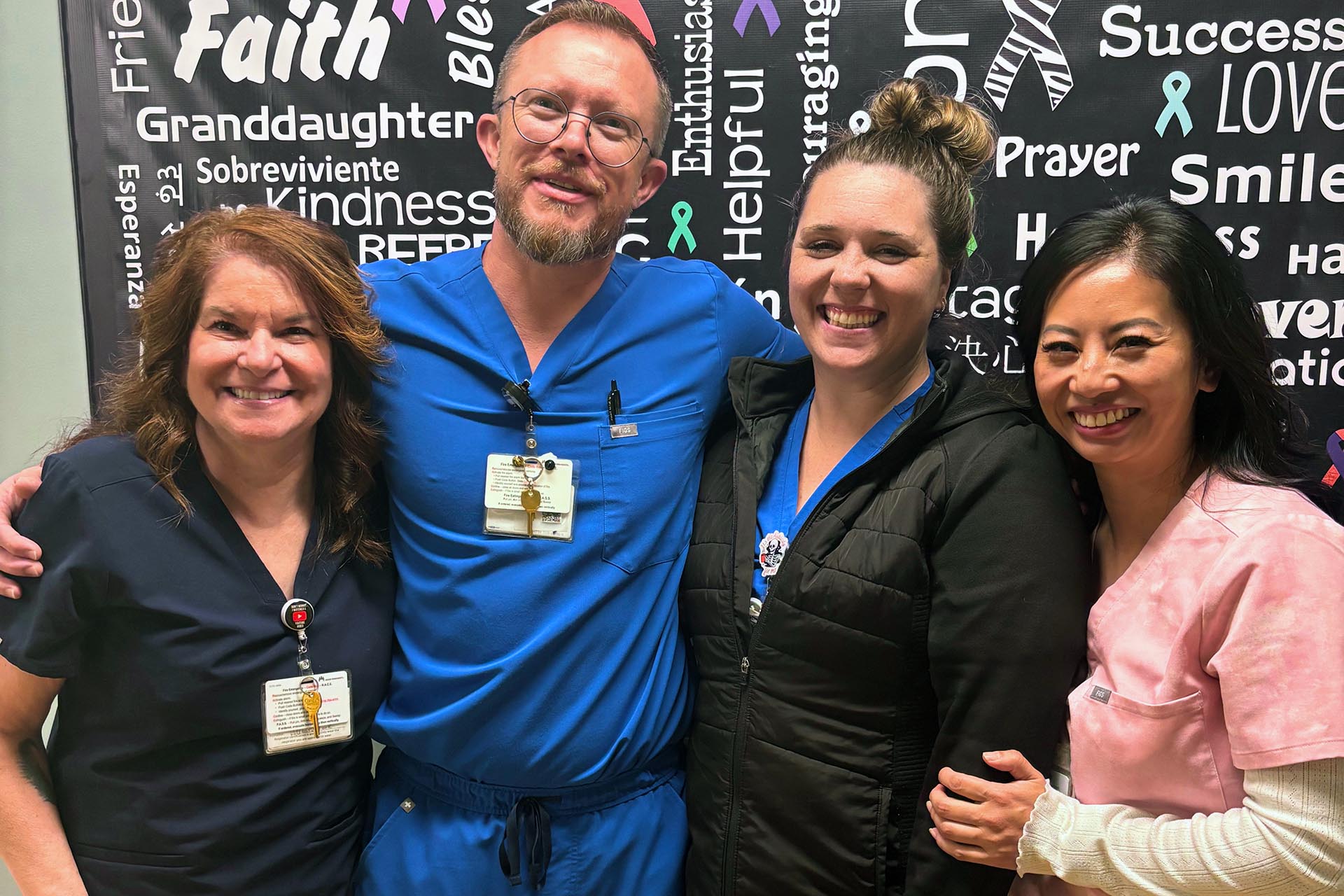
Early results are promising: The Roseville team has already seen a 25% increase in referrals, with more than 35% of infusion nurses trained and actively engaging patients in Roseville and 47% in Sacramento.
Critical to these conversations is reframing palliative care as an additional layer of support, not a sign of giving up, said Jessica Walker, a consultant supporting the Roseville and Sacramento Oncology departments, who brought the pilot from concept to implementation.
Every conversation is accompanied by a flier that highlights how palliative care can help manage symptoms, align treatments with patient values, and provide direct access to a team specializing in serious illness while continuing to receive cancer treatments.
“Our goal was to build a sustainable model that empowers nurses and makes palliative care easier to access,” Walker said.
The team also hopes the pilot will yield other positive effects, such as reducing emergency department visits for unmanaged symptoms by connecting patients with supportive care, Walker said. One resource that could be used more is Kaiser Permanente’s Supportive Care Afterhours Program, which is available nights, weekends, and holidays. When patients call, they are connected with palliative care nurses and physicians who specialize in managing advanced symptoms.
Many patients express relief at having access to specialized support earlier in their journey, Walker said.
“It was wonderful talking to someone to help me through this unfortunate journey,” said one patient. “After being diagnosed, I wondered why I didn’t have a resource like this, until I was told about this program by the nurse who handled my first infusion. Thanks be to God for such grace!”
Dr. Ramkumar said the pilot’s goal is simple. “Provide earlier support, improve symptom management, reduce unwanted emergency department visits, and maximize quality of life for our patients and their families.”