

When Maria Maia Davis of Roseville, California and her 9-year-old grandson received a Kaiser Permanente offer to treat their asthma at home, she jumped at the chance.
“When I got the email, I signed us up immediately,” said Maia Davis, who has been a Kaiser Permanente member 16 years. “I sat there just amazed after the first visit. I was so excited, because I learned so much.”
The 61-year-old California state employee has had asthma for about the last 12 years. Her grandson, who has severe asthma with frequent flare-ups, lives with her. Both are now enrolled in a program created by Kaiser Permanente with help from the Central California Asthma Collaborative.
The Asthma Collaborative, through telephone and in-home education, helps people identify and reduce their exposure to asthma triggers. Clients learn how to use their medicine correctly to prevent and treat asthma attacks. The organization also delivers supplies at no cost to members to eliminate dust and chemical odors in the home that can irritate airways.
The pilot program serves about 700 Kaiser Permanente members in 215 households that all have more than one person with asthma in Sacramento, South Sacramento, Roseville, the Central Valley, and Fresno.
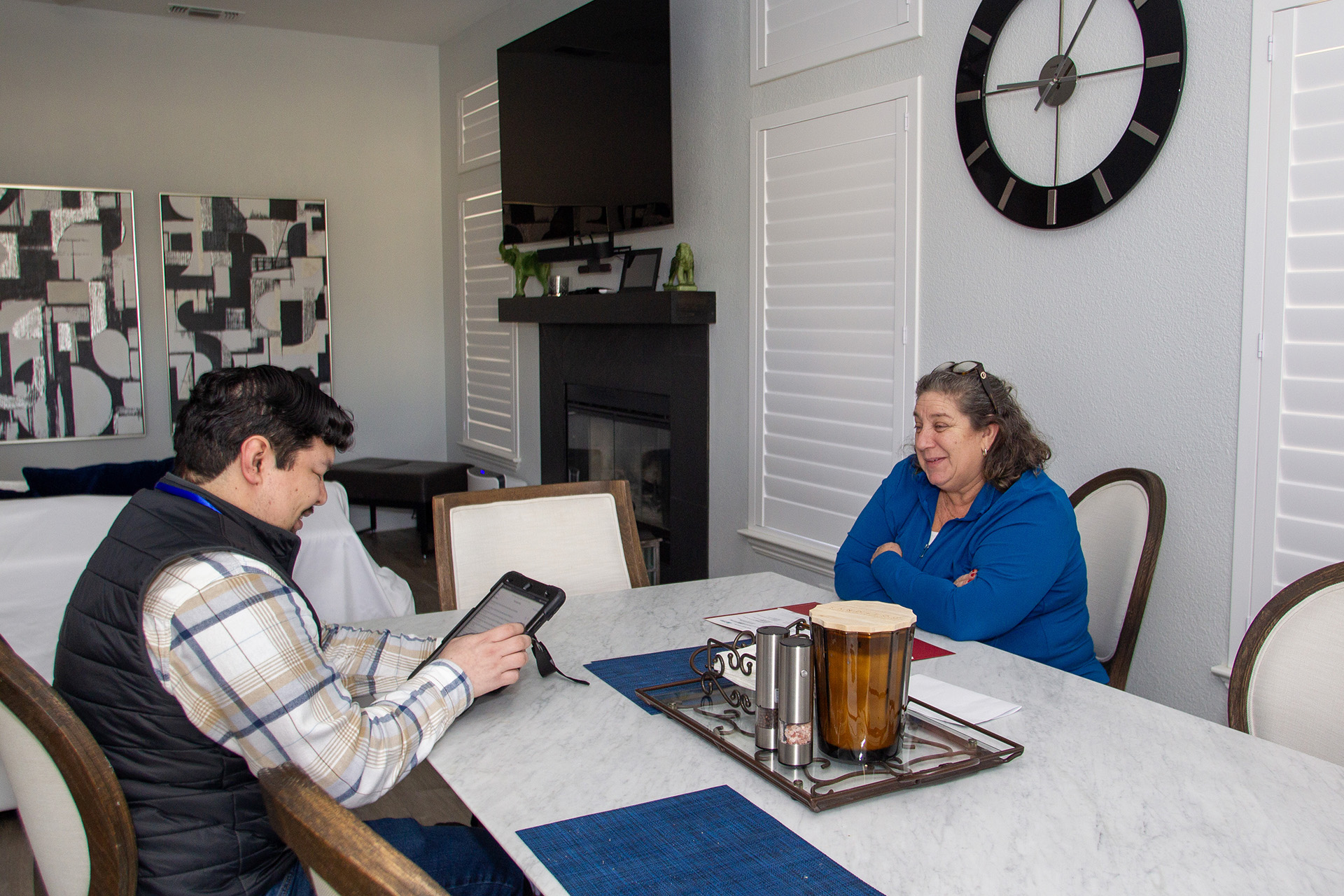
“So much of health care happens outside the walls of clinics and hospitals,” said Anand Shah, MD, Kaiser Permanente’s senior vice president of community and social health and an emergency medicine physician. “Through this community partnership, we’re addressing home environments in ways that reinforce clinical care and improve outcomes. I’m confident this program will empower patients to recognize their asthma triggers and enhance their quality of life.”
The pilot program is based on asthma home-relief services currently available to Medi-Cal members and will likely expand to other geographic areas.
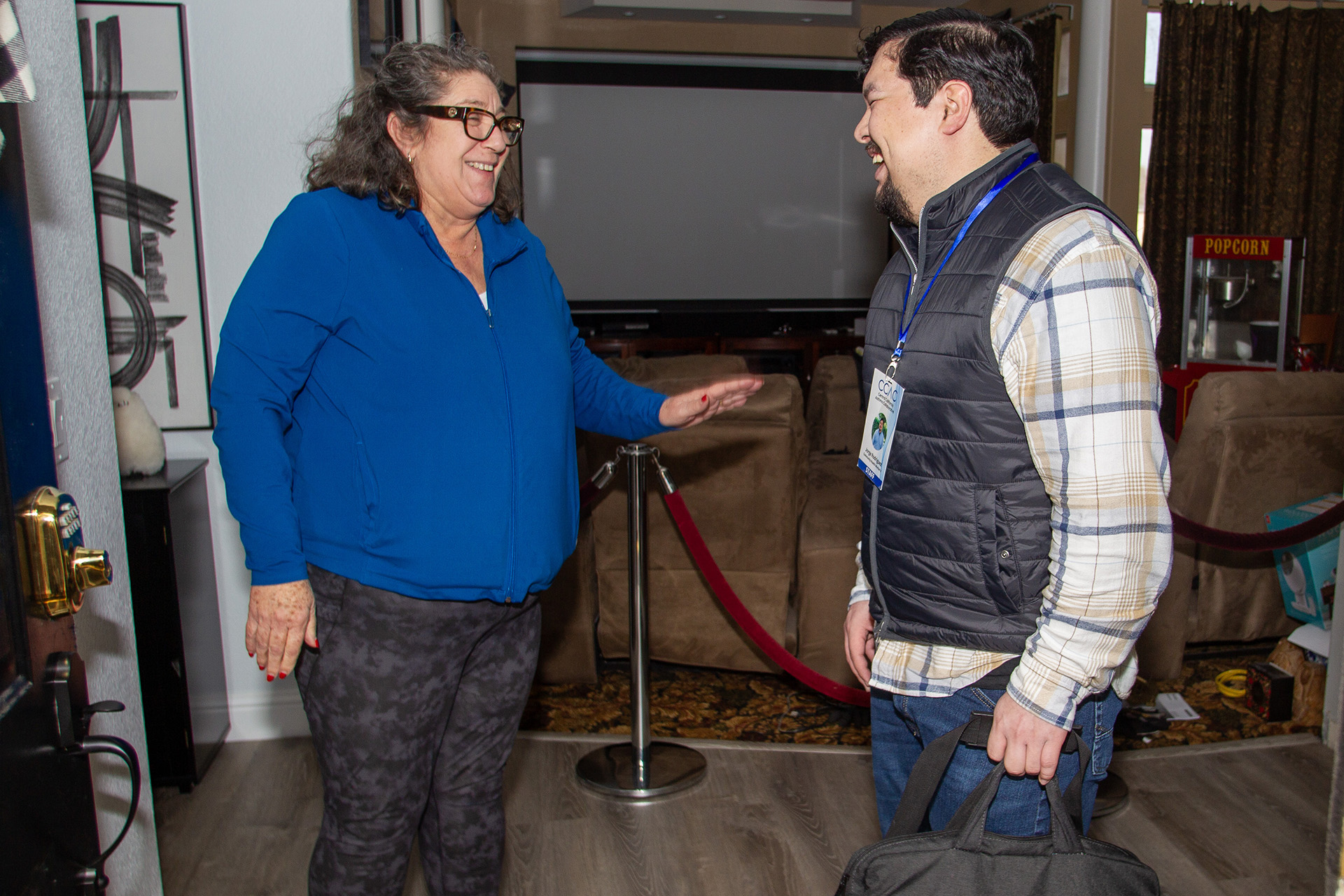
Maia Davis had 3 home visits and 2 phone call check-ins from the Asthma Collaborative’s community health workers over the course of about 5 months. They taught her about asthma, and how to use the supplies they’d provided, and assessed her and her grandson’s progress.
“Our role is connecting with patients and finding what is an issue for them,” said Graciela Anaya, director of community health for the Asthma Collaborative. “Sometimes we discover they don’t have all the medications they need, or they may not be taking them properly, or they might not have an emergency asthma plan in place.”
In California’s Central Valley, outdoor asthma triggers include extreme heat in the summer, dust from trucks in agriculture, pollen, and diesel smoke, said Anaya.
Then there are indoor triggers to consider, such as cooking smoke, dirty carpets, gas stove emissions, pets, dust in the house, and cleaning products.
At her home in Roseville, Maia Davis received 2 air purifiers, a new vacuum cleaner with a high-efficiency particulate air filter, and hypoallergenic mattress covers. She and her grandson also received asthma inhaler spacers. A spacer is a plastic tube attached to a rescue inhaler that helps direct the aerosolized medicine into the lungs.
“I always thought those spacers were just for children,” she said. “I was like, oh my God, I never thought about all these things we could do to manage our asthma.”
The home visits taught her so much about how she and her grandson can stay healthy.
“I learned a lot of things I never thought about that can be causing our asthma, like the cleaning products, the bedding, and the dust on my grandson’s stuffed animals,” said Maia Davis. “It’s been a real education for us.”