



Food and diet trends come and go, but there are some tried and true principles that will always keep your heart healthy.
One such principle is that a balanced diet of unprocessed or minimally processed foods with a focus on fruits, vegetables, whole grains, and lean proteins can lower key cardiovascular risk factors such as body weight and blood pressure.
We speak to Kaiser Permanente Northern California Cardiologist Salvador Hernandez, MD, and Lifestyle Medicine physician Allison Collins, MD who share their thoughts on heart-healthy diet and how much, if any, alcohol is OK.
Dr. Hernandez serves patients at the Walnut Creek and Antioch Medical centers as well as the Dublin Medical Offices. Dr. Collins practices in Santa Clara.
How important is diet for America’s cardiovascular health?

Dr. Hernandez: Very. While genetics are a factor, what you eat does have an impact on heart health and it can affect important markers, such as cholesterol, blood pressure, inflammation, and body weight.
Diet is the first thing my patients who have had some heart event ask me about. I like to make my advice simple. Eat a balanced diet with real, minimally processed food, ideally home-cooked meals. A good rule of thumb: Make 50% of your plate fruit and vegetables, 25% whole grains, and 25% lean proteins, including those from plants. Limit saturated fat, salt, and added sugar. Drink less alcohol. All of this translates to better heart health.
What are your thoughts on protein?
Dr. Hernandez: I believe in prioritizing protein. The right amount and type of protein depend on your individual health needs, how active you are, and what you like to eat. A diet with a mix of protein sources, including plant-based proteins, can offer health benefits. We’re talking unsalted nuts and seeds, avocados, fish, such as salmon, mackerel, cod, herring and trout, and lean meats from chicken, beef, pork, and turkey.
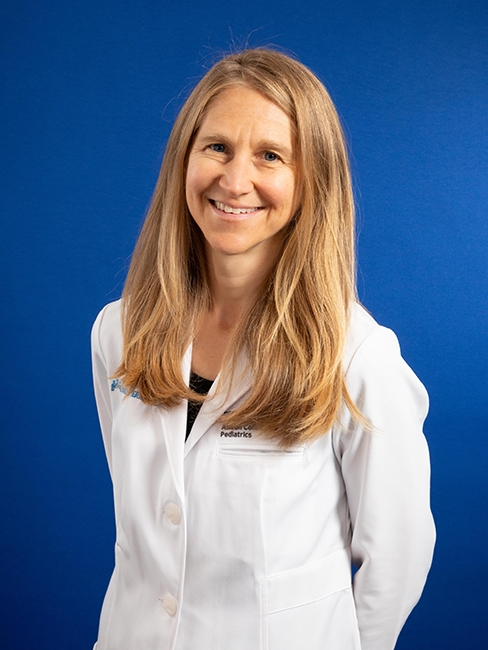
Dr. Collins: I want to point out that people should consider consuming more beans and legumes, which are great sources of protein. They are severely undereaten, and research shows they contribute to longevity and heart health.
What about saturated fats?
Dr. Hernandez: Keep saturated fat from all sources to about 10% of daily calories.
Saturated fats have a bad reputation, and we do want to be careful. But our bodies need fats to increase vascular strength, which can prevent strokes, especially in people with high blood pressure.
Alcohol may affect heart health. Let’s talk about how much people should drink.
Dr. Hernandez: There continues to be more research on what the best amount is, if any, of alcohol.
At Kaiser Permanente, we recommend avoiding alcohol, based on evidence showing that alcohol is not good for your health. If you choose to drink, we recommend women restrict alcohol consumption to 1 drink per day or 7 drinks per week, and men to 2 drinks per day or 14 drinks per week.
For some patients, those limits can be very challenging, so I’d say at the very least, start with consuming less.
Parting thoughts on heart health?
Dr. Hernandez: While diet is often the first thing patients look to change, it’s not the only lifestyle change that is critical to keeping our hearts healthy. I often talk to my patients about exercise, which I consider a fundamental part of heart health.
Dr. Collins: It is also important to start monitoring your cardiac health early in life. Exercise, quality sleep, social connection, stress management, and staying away from smoking and drug abuse all contribute to healthy hearts. These factors are the pillars of lifestyle medicine, known to help prevent, treat, and even reverse some chronic conditions like heart disease.
Dr. Hernandez: If you have questions about your diet, exercise program, or other risk factors, I recommend first speaking to your doctor.