


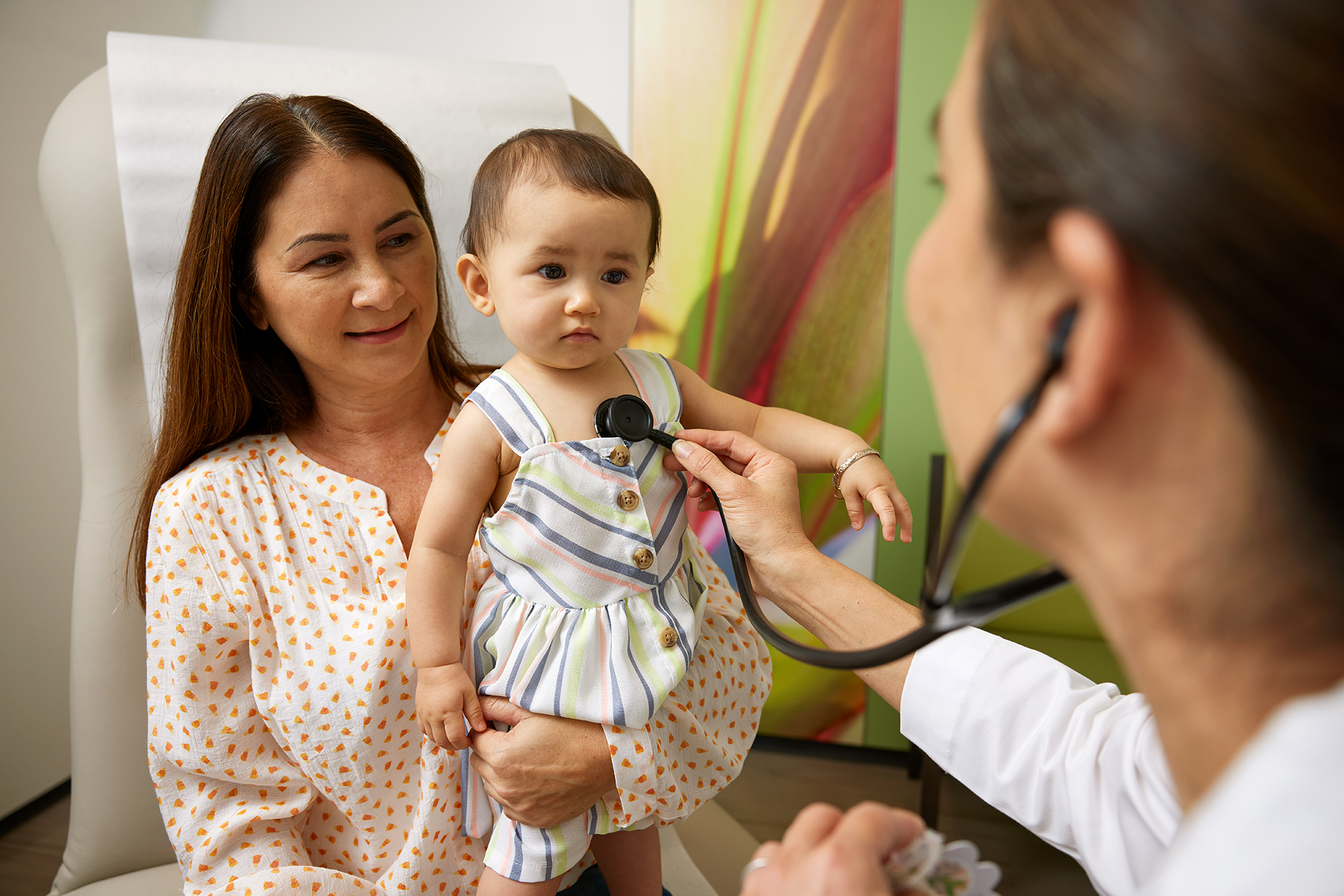
Infants can be protected from serious respiratory illnesses through 2 key immunizations: influenza vaccine given to pregnant people, and nirsevimab, a new medication for infants to protect against respiratory syncytial virus (RSV).
The Kaiser Permanente Division of Research published 2 papers this summer that strengthen the evidence for nirsevimab and for flu shots during pregnancy.
Despite the benefits, rates of influenza vaccination have been declining, with only about half of pregnant patients getting a flu shot. Similarly, about half of children born at Kaiser Permanente Northern California received nirsevimab for RSV.
“It is encouraging that research continues to provide solid evidence of the value of immunization to keep babies with respiratory infections out of the hospital,” said Nicola Klein, MD, PhD, senior author on the 2 studies and director of the Kaiser Permanente Vaccine Study Center. “This information needs to reach more parents, so they can take these simple, safe, and effective steps to protect their children.”
Value of flu shots during pregnancy
Both studies strengthened the evidence for the immunizations by studying outcomes among the large, diverse population of Kaiser Permanente members in Northern California.
The flu study, published in Obstetrics & Gynecology in June, included 245,498 infants born at Kaiser Permanente hospitals in Northern California between 2011 and 2022. The researchers found the infants whose parents got a flu shot while pregnant were 44% less likely to be diagnosed with influenza than those born to unvaccinated parents.
The flu vaccine in pregnancy is mainly meant to protect the adult, as influenza can cause more severe disease while pregnant. But the vaccine’s protection extends to the baby when its antibodies are passed through the placenta during pregnancy. That protection is particularly strong during the baby’s first few months of life, the study showed.
“When you are getting vaccinated in pregnancy, you are protecting yourself, but you are also protecting your infant at a crucial time, before the baby is eligible to receive a flu shot,” said study lead author Ousseny Zerbo, PhD, a research scientist with the Division of Research.
RSV poses risks for infants
Nirsevimab is a monoclonal antibody preventive immunization that is given to infants. The study in Pediatrics, published in July, examined outcomes of 31,900 healthy full-term infants born to Kaiser Permanente members in Northern California during the 2023-24 RSV season, the first time the immunization was widely available.
The study found the medication to be effective. Babies who received nirsevimab were 87% less likely to have a severe respiratory illness from RSV than those who were not immunized, and 98% less likely to be hospitalized if they contract RSV.
“We found nirsevimab offered strong protection against RSV-related complications and severe cases,” said lead author Amber Hsiao, PhD, MPH, a project manager for the Kaiser Permanente Division of Research.
RSV is the leading cause of lower respiratory tract disease, such as pneumonia, in infants and young children. Lower respiratory tract disease with RSV is the most common cause of hospitalization in children under 1 year old.
Pregnant patients and parents of newborns can talk to their doctors about protecting their babies from respiratory illnesses.
Dr. Klein added: “These are safe, well-studied immunizations, and we encourage everyone eligible to get them.”