

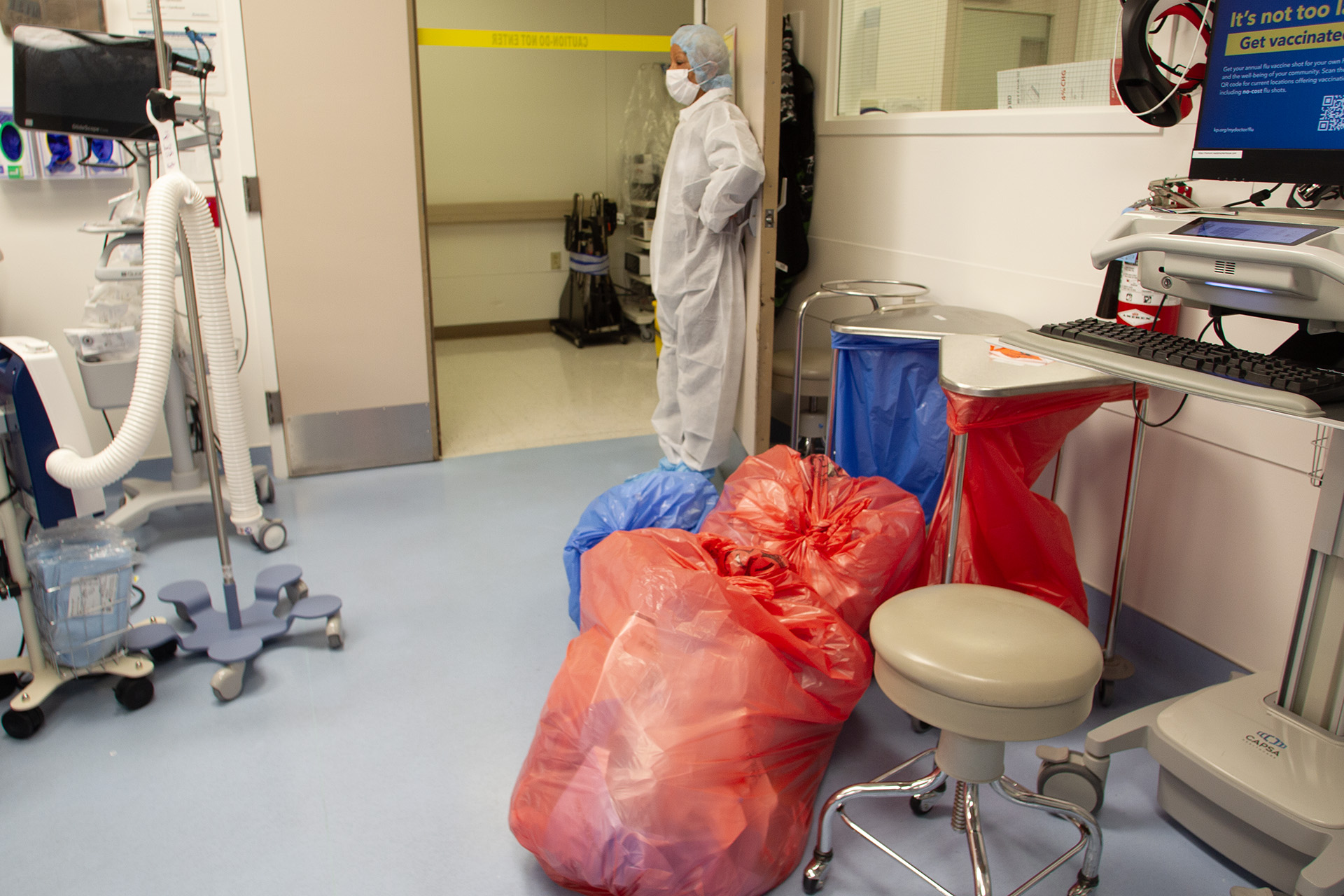
A project to reduce the environmental impact of waste generated from hundreds of thousands of yearly surgeries is underway in Kaiser Permanente Northern California hospitals.
The sprawling, multi-faceted project that will eventually include all 21 medical centers aims to reduce landfill waste and air pollution by replacing some products and by using others more efficiently, said Miya Yamamoto, MD, physician operating room director for the Fremont and San Leandro medical centers.
“Our goal is for our patients to receive exceptional surgical care and experience, and we have realized this can be done in a more environmentally sustainable way without compromising quality and safety,” said Dr. Yamamoto.
Dr. Yamamoto and Anjelica Fajardo, RN, are working with a group of anesthesiologists and surgeons to lead the effort with the help of a regionwide team. The work will reduce the volume of landfill waste created and the release of greenhouse gasses every time a surgery is performed.
“Something that sounds quite simple such as reducing our environmental footprint in the operating room is actually quite complex and takes a huge number of people going in the same direction,” said Emily Ginsburg, MD, a South San Francisco anesthesiologist and Kaiser Permanente Northern California director of the Perioperative Management Group. “The effort includes clinicians, surgical techs, nurses, pharmacists, and those who purchase our supplies.”
The operating room changes underway include:
- Switching foil-lined reflective blankets used to warm patients during surgery with blankets constructed entirely of biodegradable paper. The paper blankets warm patients just as efficiently as the foil blankets, said Dr. Ginsburg. The change slated for completion by June of next year will eliminate more than 300,000 metal-lined blankets from going to landfills each year. Amanda Nummi, DO, an anesthesiologist, spearheaded a pilot program to create the switch from foil warming blankets to paper blankets.
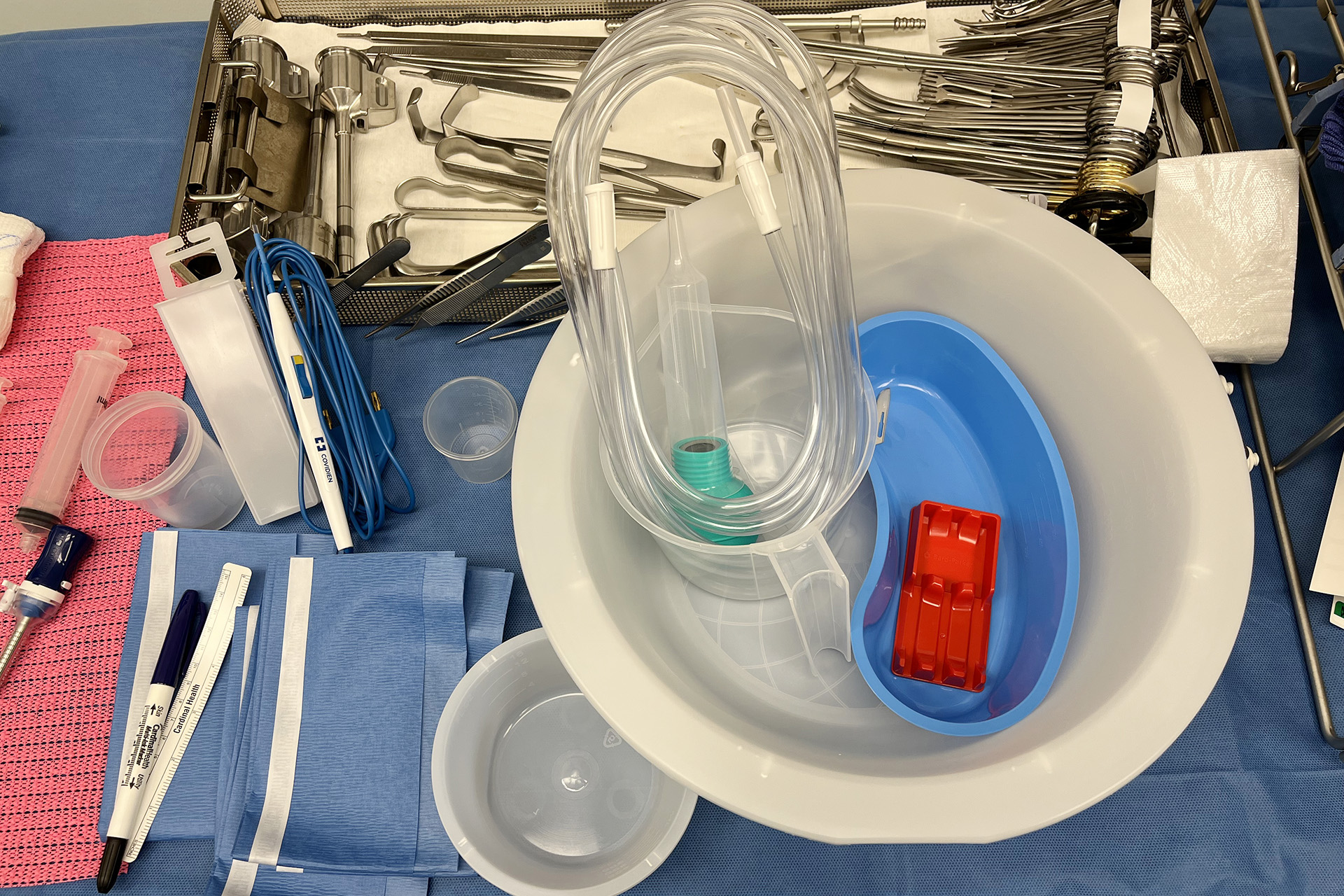
- Working with surgical supply manufacturers to reduce the number of items purchased for surgeries that go unused and are thrown away before every surgery. A pilot program in the Fremont and San Leandro medical centers administered by Marron Wong, MD, Dr. Yamamoto and Fajardo estimated the two hospitals alone could eliminate 15,000 items from landfills in one year from 895 minor gynecological surgeries. Across all hospitals in Northern California, that number would grow to 134,400 items per year. “Say in every pack we purchase you have a giant plastic basin that we don’t need or use,” said Dr. Yamamoto. “In our pilot we found 12 items from each pack we don’t use, and now we don’t receive them. At some point in the past, we used it, but today it’s not clinically relevant, and it does impact our environment when thrown away.” Those changes are beginning now and will continue to be implemented over the next year.
- Reducing the amount of nitrous oxide — used as an anesthetic in many surgeries — released into the atmosphere by moving supply tanks closer to the anesthesia machines in the operating room rather than piping it through the hospital. Nitrous oxide is a greenhouse gas that contributes to global warming, according to the Environmental Protection Agency. In the first half of 2024, Kaiser Permanente used 16% less nitrous oxide.
- Drastically reducing the use of desflurane, a second greenhouse-causing anesthetic gas, and increasing the use of another vaporized anesthetic gas, sevoflurane, which has less of an environmental impact. This change has already taken place.
- Switching the purchase of antibiotics delivered in heavily packaged foil bags in favor of those delivered in more simple glass vials that contain less packing material. The antibiotics are used to prevent infections in almost all surgeries, said Dr. Ginsburg. This change has begun at 4 of the 21 medical centers with more to follow soon.
“I think there is going to be a huge environmental impact once all of these projects are finished rolling out regionwide,” said Dr. Yamamoto. “We all feel the pain when we see unused items going into the garbage, or we see wasteful processes we could change to benefit the environment.”